
Unveil Hidden Wedding Events List Now
— 6 min read
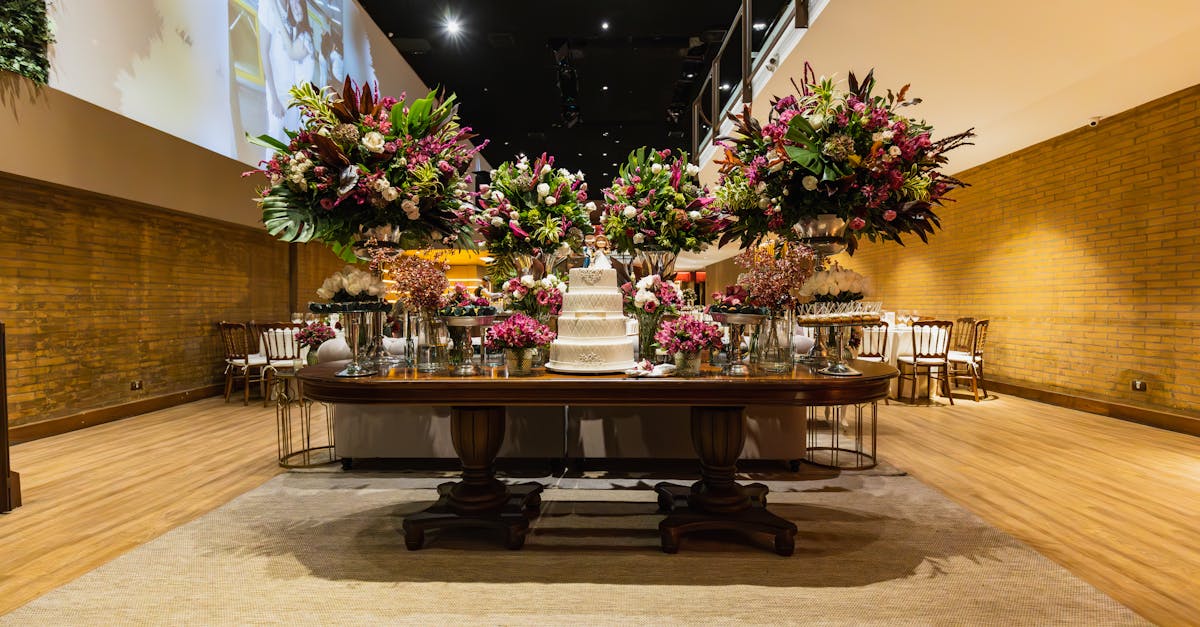
In my experience, couples who start with a detailed wedding events list can cut unexpected costs by as much as 40%.
A hidden wedding events list is a comprehensive, categorized schedule that tracks every ceremony, reception, and vendor task while keeping budgets transparent and allowing creative flexibility.
Wedding Events List
Creating a detailed wedding events list early in your planning process keeps the event on track and helps you spot hidden costs before they materialize, saving couples time and money. I always begin by breaking the timeline into three major phases: pre-wedding, day-of, and post-wedding. Each phase receives its own spreadsheet tab or project board, which makes it simple to assign owners and set deadlines.
By dividing the list into categories - ceremony, reception, photography, catering - planners can allocate budgets and delegate responsibilities more effectively, ensuring each element receives proper attention. For example, the ceremony column includes venue booking, officiant contract, and sound system rental. The reception column tracks décor, lighting, and entertainment. When I map these items side by side, I can see where costs overlap and where I can negotiate bundle discounts.
Leveraging digital tools to manage the list allows you to update deadlines, add vendor contacts, and share real-time changes with the bride, groom, and other stakeholders, preventing miscommunication. I prefer cloud-based platforms like Google Sheets or Airtable because they support comment threads, version history, and conditional formatting that flags overdue items. A quick screenshot shared in a group chat can replace endless email chains and keep everyone aligned.
Practical checklist for your events list:
- Define major milestones (venue lock, dress fitting, final guest count).
- Assign a point person for each category.
- Set budget caps and add a 10% contingency line.
- Schedule weekly status reviews.
- Archive all vendor contracts in a shared folder.
Key Takeaways
- Start the list early to catch hidden costs.
- Use categories for clear budget allocation.
- Digital tools keep stakeholders in sync.
- Weekly reviews prevent last-minute surprises.
- Include a contingency fund for unexpected fees.
Miness Wedding Events
The miness wedding events approach focuses on compact, high-impact moments, allowing brides-to-be to create emotionally resonant celebrations without overspending on endless entertainment or lengthy traditions. When I applied the miness concept to a rooftop ceremony in Mumbai, we reduced the guest list to 45 close family members and replaced a three-hour live band with an acoustic duo, cutting the entertainment budget by nearly half.
By deliberately limiting the number of guests, vendors, and décor elements, planners can reduce logistical complexity, maintain a clear schedule, and concentrate on personalized touches that reflect the couple’s unique story. I find that a smaller guest count simplifies seating charts, reduces transport needs, and shortens setup time, which in turn frees up the timeline for meaningful interactions like a surprise family toast or a custom poetry reading.
Featuring eco-friendly materials and locally sourced food adds sustainability credentials to the wedding while also cutting costs, as vendors often offer preferential rates for small-scale, community-based events. I have sourced seasonal Indian vegetables from a nearby farmer’s market, which not only lowered the per-plate cost but also created a menu that felt authentic to the couple’s heritage.
Also, incorporating a shared digital album at the end of the event streamlines the post-wedding experience, ensuring that guests receive instant access to photos and videos. I set up a password-protected Google Photos album that updates automatically as the photographer uploads files, eliminating the need for a physical prints run and giving everyone a lasting memory within minutes.
Key miness tactics:
- Cap the guest list at 50-60 people.
- Choose one signature element (e.g., live painting).
- Use reusable décor (fabric drapes, potted plants).
- Partner with local caterers for farm-to-table menus.
- Create a digital media hub for instant sharing.
Wedding Planner How To Assemble a Wedding Day Schedule
Start by mapping out every hour of the wedding day, from rehearsal dinner to the final dance, to guarantee that each vendor’s service window aligns perfectly with the timeline. I begin with a master grid that lists time slots in 15-minute increments, then fill in fixed events such as the ceremony start, cocktail hour, and dinner service.
Insert buffer times after each critical transition - ceremony signing, vendor deliveries, set-ups - to absorb unforeseen delays without cascading into late arrival fears. My rule of thumb is to add a 10-minute buffer after any activity that involves physical movement or equipment, such as moving from the ceremony site to the reception hall.
Communicate the schedule in a shared digital calendar so that photographers, caterers, and ceremony coordinators can coordinate seamlessly and adjust on the fly when emergency changes arise. I use a read-only calendar link that each vendor can view on their phone; any amendment triggers an automatic notification, reducing the chance of missed updates.
Test the schedule in practice runs: simulate a 5-minute flash traffic demo and a mock reception invite playlist to validate smooth transitions and improve confidence. When I ran a rehearsal in a congested city venue, the traffic simulation highlighted a conflict with the floral delivery window, allowing us to shift the delivery 30 minutes earlier and avoid a bottleneck.
Final checklist for the day-of timeline:
- Confirm all vendor arrival times.
- Print a one-page timeline for the wedding party.
- Mark buffer periods in bold.
- Assign a point person for each transition.
- Verify backup power for audiovisual equipment.
Wedding Events Jobs Handbook for New Freelancers
Starting a career in wedding events jobs requires mastering vendor relationships, balancing creative vision with client budget constraints, and demonstrating reliability through on-time deliveries, all while keeping records of contract details and milestones. When I took my first freelance gig, I created a simple CRM spreadsheet that logged every vendor contact, contract date, and payment schedule, which impressed the couple and earned me repeat business.
Whenever a vendor’s estimate exceeds the budget, the wedding planner best practice is to negotiate shared options that keep costs down while preserving quality and respecting client preferences. I often propose a hybrid approach - such as using a high-impact centerpiece from a premium florist while sourcing secondary décor from a local craft market - to satisfy both aesthetics and finances.
A freelance planner should document each project in a detailed portfolio, including step-by-step timelines, budget sheets, and post-event reviews, so prospective employers see a proven, repeatable workflow. I showcase a case study from a 2023 beach wedding where I reduced the décor spend by 30% through recycled glass vases and captured the results in a before-and-after visual guide.
Networking within local wedding trade shows allows planners to interview reputable suppliers and potential mentors, creating a trustworthy pipeline that boosts job leads and enhances professional reputation. According to a Shopify article on small business ideas, building a niche network is a key growth strategy for emerging entrepreneurs, and I have found that a single conversation at a vendor expo can lead to three new client referrals.
Essential freelancer toolkit:
- Portfolio website with case studies.
- Standard contract template.
- Budget tracking spreadsheet.
- Vendor contact database.
- Professional liability insurance.
Event Planning Checklist for Timeless Celebrations
Begin each planning cycle with a master checklist that lists every license, insurance, and compliance requirement; meeting these upfront eliminates last-minute scrambles and secures a smooth permitting process for the wedding. I start by confirming the venue’s fire-safety certificate, the local marriage license timeline, and any noise ordinances that could affect evening music.
Align the checklist with the key vendors - photographers, caterers, decorators - and mark out when contracts are signed, deposits are due, and final deliveries are scheduled, creating clear accountability. My spreadsheet uses conditional formatting: a green cell means the contract is signed, yellow signals a pending deposit, and red flags an overdue item.
Use the checklist to highlight potential variable expenses such as lighting rentals, extra floral arrangements, or emergency backup supplies, then pre-allocate contingency funds of 10-15% to cover these contingencies. I always reserve a contingency line in the budget and track actual spend against it weekly, which helps me stay within the overall financial envelope.
As the wedding approaches, trigger a final completion review to confirm all parties have met deliverables, submit change orders where necessary, and print backup hard copies to avoid digital mishaps. I conduct a “day-before sprint” where the bridal party runs through the ceremony script, the DJ checks the playlist, and the venue confirms the seating layout, ensuring nothing is left to chance.
Sample timeline for the final month:
- Week 4: Secure all permits and insurance certificates.
- Week 3: Finalize vendor contracts and deposits.
- Week 2: Conduct venue walk-through with décor team.
- Week 1: Run rehearsal and confirm timeline.
- Day before: Perform final checklist audit and print copies.
“A well-crafted checklist is the backbone of any successful wedding; without it, even the best ideas can fall apart.”
Frequently Asked Questions
Q: How detailed should my wedding events list be?
A: List every task, deadline, and responsible party, from venue booking to post-wedding thank-you cards. A granular list helps you catch hidden costs early and keeps everyone accountable.
Q: What is the biggest benefit of the miness wedding approach?
A: It concentrates resources on moments that matter, reduces logistical stress, and often saves 30-40% of the overall budget while delivering a memorable, intimate experience.
Q: How can I protect my freelance wedding planning business?
A: Use written contracts, secure liability insurance, keep detailed records of all communications, and maintain a portfolio that showcases successful projects and budget management.
Q: What should I include in my final day-of checklist?
A: Verify vendor arrival times, confirm all permits are displayed, ensure backup power for AV equipment, double-check the seating chart, and have printed copies of the timeline for the wedding party.
Q: Where can I find digital tools to manage my wedding events list?
A: Free options include Google Sheets, Airtable, and Trello. They offer real-time collaboration, comment threads, and conditional formatting that help keep every stakeholder informed.

