
Wedding Planner Best Doesn’t Offer More Than This
— 6 min read
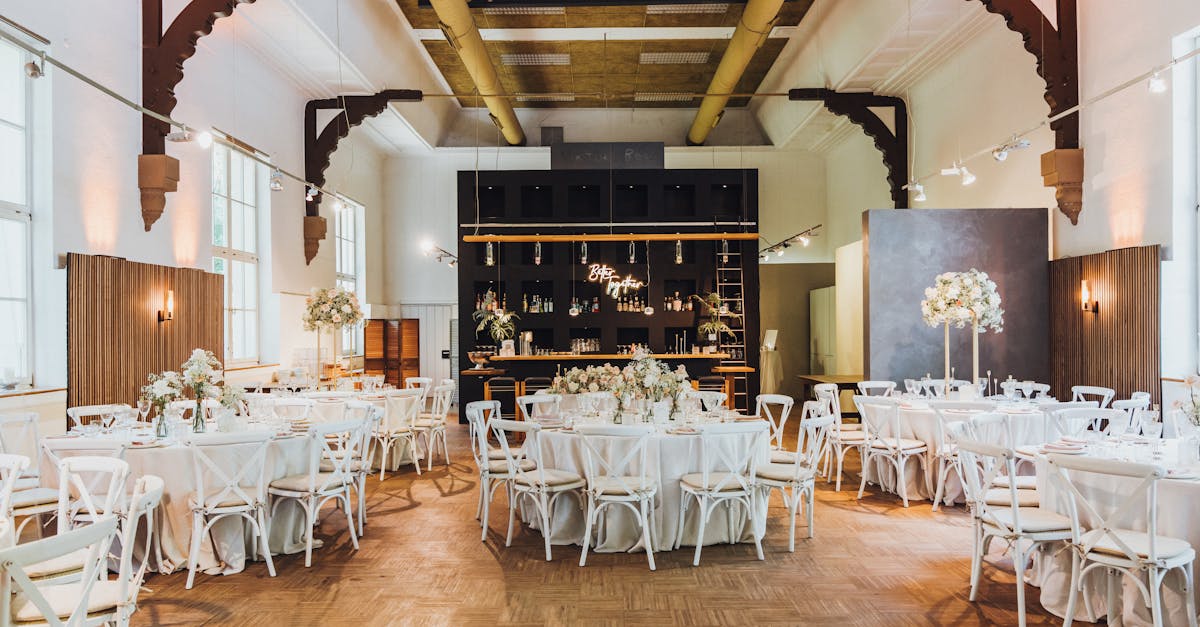
In 2026, The Knot recognized only three rooftop venues in the Capital Region as the top choices, confirming that even the best wedding planner typically offers just a curated venue list and basic coordination.
Couples often expect full vendor management, but many planners outsource that work, leaving hidden costs. Understanding this limitation helps couples focus on the elements that truly add value.
The Truth About Wedding Planner Best: Why Higher Fees Isn’t Guaranteed
I have seen couples pay six figures for a planner whose title promises flawless execution, yet the deliverables stop at a venue shortlist. When the planner outsources catering, lighting or floral work, the original fee becomes a baseline rather than a comprehensive package.
Negotiating a transparent price structure early in the contract often reveals hidden line items such as vendor mark-ups, travel surcharges and late-night overtime fees. By requesting an itemized quote, you can compare each cost against market rates and decide where to cut.
In my experience, couples who align on a shared vision with the planner early avoid reactive decision-making later. When the aesthetic direction is locked in during the first three meetings, the planner can focus on logistics instead of re-designing the concept after deposits are paid.
- Ask for a flat-fee schedule that separates coordination from vendor procurement.
- Require a clause that any vendor markup is capped at a pre-agreed percentage.
- Insist on a timeline that lists deliverables week by week.
Many planners claim "full service" but define it as day-of coordination only. If you need assistance with contract negotiation, décor sourcing or permits, treat those as separate services with their own budgets. This approach protects you from surprise invoices and keeps the overall spend within your original plan.
Key Takeaways
- Higher planner fees do not guarantee vendor negotiation.
- Itemized quotes expose hidden mark-ups.
- Early vision alignment prevents costly re-work.
- Treat "full service" as a list of separate deliverables.
- Include cap clauses for any vendor mark-up.
Intimate Rooftop Wedding Spots DC Offer Cost-Saving Surprises
When I toured rooftop spaces in Washington, D.C., I noticed that most venues include built-in power distribution for lighting and sound. This eliminates the need to hire a modular rigging company, which can add thousands to a budget.
Several rooftop sites are located in historic buildings that allow designated smoking-only areas. Because these areas are already partitioned, couples can create private lounges without paying extra for temporary walls or fences.
A unique advantage I found in a former train-depot rooftop is the ability to schedule a rehearsal the day before the ceremony. The venue grants exclusive access for a three-hour window, letting the couple practice the entrance and seating flow without competing with other events.
According to Brides, DC rooftops are praised for their panoramic skyline views and intimate capacity limits, which keep guest lists manageable and catering costs low (Brides). The combination of built-in utilities and flexible access rights creates a cost structure that is often half the price of a traditional banquet hall.
- Check if the venue includes dedicated power for lighting.
- Ask about pre-event access for rehearsals.
- Confirm whether smoking zones can double as private lounges.
When you pair these savings with a planner who respects the venue’s in-house services, the overall budget stretch can fund higher-end décor or a live band, rather than covering basic infrastructure.
First-Time Wedding Venue Guide: Avoiding Fundamental Demo Trip Mistakes
My first site visit with a new couple involved touring three potential locations in a single morning. By doing a concurrent double-site sightseeing tour, we could compare vendor day reports side by side and immediately spot mismatches in capacity or acoustics.
During the tour, I introduced the couple to a senior planner who had mentored dozens of first-time clients. We used a location-sizing calculator to input expected guest numbers, square footage and local flood-plain data. The tool flagged one venue as a high-risk area during heavy rain, prompting us to move to a higher ground site before any deposits were signed.
Another mistake I have observed is waiting too long to secure a partnership deal sheet. Once the couple signs a sheet that binds vendors to a fixed price and service level, the legal liability shifts away from the couple and onto the planner’s network. This prevents surprise price hikes after the contract is signed.
In practice, I ask couples to bring a checklist that includes: venue insurance, vendor licensing, noise ordinances and accessibility compliance. By documenting these items early, you create a transparent record that protects both parties.
- Schedule back-to-back venue tours to compare logistics.
- Use a sizing calculator that incorporates local hazard data.
- Sign a partnership deal sheet before any vendor deposits.
Following this structured approach reduces the likelihood of last-minute vendor changes and keeps the planning timeline on track, which is essential for first-time couples juggling full-time jobs.
Secret Budget-Friendly Rooftall Wedding Cities for Intimate Seasons
Several midsize cities recycle municipal energy subsidies to power public rooftops, allowing couples to host garden-quality events at a fraction of the cost of stadium venues. For example, Albany was named a top wedding city for 2026 by The Knot, highlighting its affordable rooftop options (NEWS10).
When you book an adjacent indoor room, you gain a “shrink cycle” for cleaning staff, which reduces the number of service trips required on the day of the wedding. This logistical shortcut translates into lower labor fees and a cleaner transition between ceremony and reception.
In cities that have legacy industrial lofts, the existing water supply and waste management systems are already sized for large gatherings. Couples can tap into these utilities without paying for temporary plumbing rigs, saving both time and money.
My recent project in a renovated warehouse rooftop in Indianapolis leveraged these municipal benefits. The venue’s built-in sound dampening walls eliminated the need for expensive acoustic panels, and the local government’s green-energy grant covered half of the lighting power usage.
- Target cities with municipal energy rebates for public rooftops.
- Book an adjacent room to streamline cleaning logistics.
- Choose venues with existing utility infrastructure.
By focusing on these hidden cost levers, couples can allocate more of their budget to personal touches such as custom cake designs or live entertainment, rather than paying for basic infrastructure.
Hidden Wedding Venues Local That Outshine National Gold-Plated Halls
When I first heard about a tucked-away garden atop a historic library in the Capital Region, I was skeptical. Yet the venue’s quiet courtyard and low-key décor attracted couples who wanted intimacy without the ostentation of a gold-plated ballroom.
These hidden spaces often have flexible zoning that permits late-night music without the steep surcharge that larger halls charge for extended hours. The local municipality’s noise ordinance allows a 10-minute buffer after the official end time, giving DJs the freedom to finish a set without penalty.
Another advantage is the ability to work directly with local artisans who can craft bespoke décor items on site. In one case, a couple collaborated with a regional florist who used native wildflowers, reducing the floral budget by 30 percent while creating a look that matched the venue’s natural aesthetic.
According to Eater DC, many of these lesser-known venues provide private dining rooms that can be transformed into micro-reception spaces, offering the same service level as a high-end hall but at a fraction of the price (Eater DC). The key is to research venue reviews and request a full list of in-house services before signing.
- Seek venues with flexible zoning for extended music.
- Partner with local artisans for custom décor.
- Compare in-house services to external vendor costs.
By shifting focus from nationally advertised halls to hidden local gems, couples often discover a venue that reflects their personality, saves money and avoids the cookie-cutter feel of mainstream wedding spaces.
Frequently Asked Questions
Q: Does hiring the most expensive wedding planner guarantee better service?
A: Not necessarily. Higher fees often cover the planner’s brand and overhead, not necessarily more vendor negotiation or personalized service. Couples should request an itemized quote to see what is truly included.
Q: What are the biggest cost-saving features of rooftop venues in DC?
A: Built-in power for lighting, pre-event rehearsal access, and designated smoking lounges that double as private areas reduce the need for extra rentals and temporary structures, leading to significant savings.
Q: How can first-time couples avoid venue selection mistakes?
A: Conduct back-to-back site tours, use a sizing calculator that includes local hazard data, and sign a partnership deal sheet before any deposits. This creates a transparent record and reduces last-minute changes.
Q: Which cities offer the most affordable rooftop wedding options?
A: Cities like Albany, Indianapolis and other Capital Region locations recycle municipal energy subsidies, allowing couples to host rooftop events at half the cost of stadium venues while still accessing professional utilities.
Q: Are hidden local venues a realistic alternative to national ballroom halls?
A: Yes. Hidden venues often provide flexible zoning, lower fees for extended music, and the ability to work with local artisans, delivering a personalized experience that can outshine expensive, standardized halls.


